
You don’t have to call yourself an “alcoholic” to know your drinking isn’t working anymore.



The Catholic Sobriety Coach
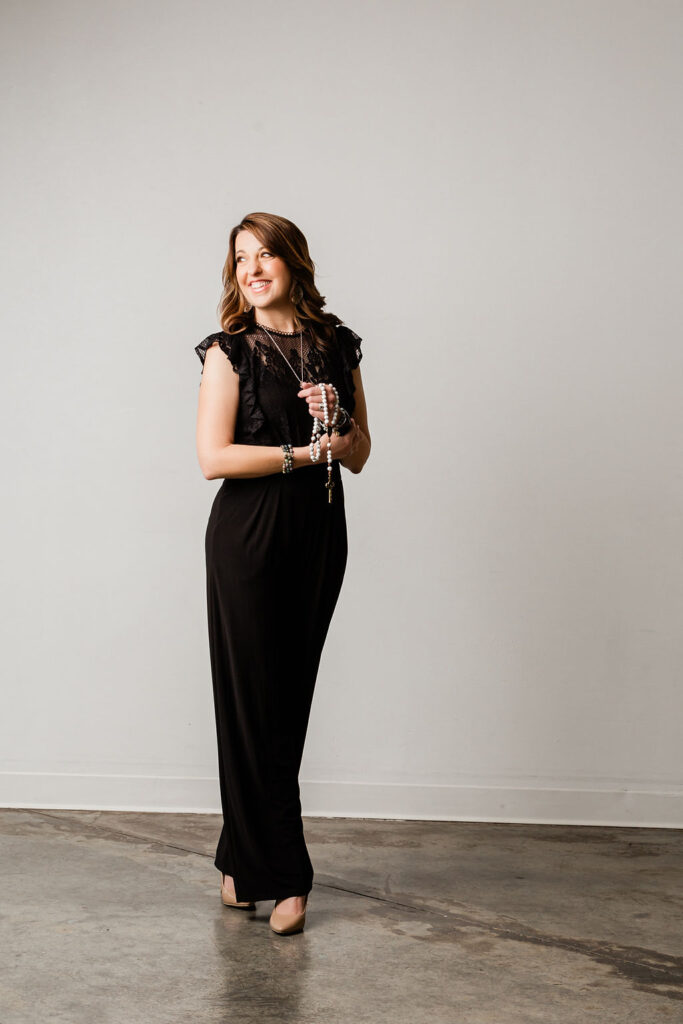
Christie Walker
I’m Christie Walker, a Catholic sobriety and life coach who helps midlife women change their relationship with alcohol and find real, lasting freedom — not another cycle of willpower, guilt, or “starting over Monday.”
I’ve lived alcohol-free for nearly three decades, and I know firsthand that lasting change doesn’t come from trying harder. It comes from understanding what’s actually driving the habit — emotionally, neurologically, and spiritually.
Many Catholic women don’t resonate with labels like “alcoholic,” but still find themselves quietly wondering:
Why do I keep going back to drinking?
Is my wine habit a problem — or just a phase?
Why does this feel harder than it should be?
My work brings together Catholic faith, neuroscience, and identity-based inner healing to get to the root of why you drink — not just the behavior itself. Because alcohol is rarely the real issue. More often, it’s a nervous system response to stress, an emotional coping pattern, or a place where God’s healing hasn’t yet been invited in.
Through 1:1 Catholic life & sobriety coaching and my coaching community, the Sacred Sobriety Lab, I help women reduce or step away from alcohol in a way that’s compassionate, grounded, and deeply personal. We look at brain-based habit loops, emotional triggers, spiritual wounds, and the stories you’ve learned to believe about yourself — then rebuild from truth.
This isn’t about rules, shame, or rigid programs. It’s about learning how your brain works, healing what’s underneath the urge to drink, and reclaiming your identity as a woman created for clarity, peace, and freedom in Christ.
Alcohol freedom isn’t just about drinking less.
It’s about living more fully — present, grounded, and aligned with who God created you to be.
What I Help With
This is the kind of work I support women with inside 1:1 Catholic sobriety coaching and the Sacred Sobriety Lab.
01.
Alcohol and Relationship Stress
When you start questioning your relationship with alcohol, it can shift the dynamics in your marriage, friendships, and family life. Not everyone understands why you want to drink less or take a break. Some people feel uncomfortable when you change. We work on how alcohol shows up in your relationships, how to handle comments or pressure, and how to stay grounded in your decisions without needing to drink to smooth over tension.
02.
Stress, Wine Culture, and Coping
For many midlife women, wine has become the default way to unwind, cope with stress, or mark the end of a long day. “Mommy wine” culture and social drinking can make it feel normal to rely on alcohol for relief. We look at what your nervous system is actually asking for when the urge to drink shows up, and build new ways to regulate stress, rest, and transition out of your day that don’t depend on wine.
03.
Shame, Faith, and Healing from Alcohol
Struggling with alcohol can quietly affect your prayer life, your sense of worth, and your relationship with God. Many Catholic women carry guilt or wonder what their drinking means spiritually. This work creates space for honesty, mercy, and healing — helping you reconnect with your faith in a way that’s grounded in truth, compassion, and real interior freedom, not shame or spiritual pressure.
04.
Nightly Drinking and the Habit Loop
You may know the nightly glass (or two) isn’t serving your health, energy, or peace — and yet the habit feels automatic. This isn’t a failure of willpower. We work with brain-based habit loops to understand why your urges show up when they do, what your body and mind are seeking in the evening, and how to create new routines for winding down, rewarding yourself, and finding comfort without alcohol being the default.
Why I Coach Within the Catholic Faith
Many women come looking for help with their relationship with alcohol and quickly realize that purely secular approaches don’t address the deeper spiritual questions they’re carrying.
They don’t just want strategies for cravings. They want to know what their faith has to say about freedom, healing, mercy, and growth.
They want to bring their whole self — body, mind, and soul — into the process of change.
I coach within the Catholic faith because lasting freedom isn’t just about changing a habit. It’s about interior healing, learning how to cooperate with grace, and allowing God into the places we’ve tried to manage on our own.
My coach approach integrates:
Catholic spiritual practices like prayer, Scripture, the sacraments, and honest examination of the heart
Brain-based tools for working with cravings, stress, and emotional regulation
Identity work rooted in who you are in Christ — not in shame or labels
If you’re a Catholic woman who wants more than a mindset shift — who wants your faith to be part of how you heal and grow — you don’t have to separate your spiritual life from your healing work. They were never meant to be disconnected.
How I Support Catholic Women Changing Their Relationship With Alcohol
Whether you’re looking for ongoing support, personal coaching, or a seasonal reset, there’s a place to begin.
Sacred Sobriety Lab
Ongoing coaching and community for Catholic women who want to drink less or step away from alcohol.
The Sacred Sobriety Lab is a supportive space to learn how your brain, nervous system, and habits work — and how to build daily routines rooted in faith, awareness, and real-life tools. This is for women who want ongoing guidance, community, and structure as they create a new relationship with alcohol.
1:1 Catholic Sobriety Coaching
Personalized support for women ready for deeper, more individualized work around alcohol, stress, and emotional coping.
In 1:1 coaching, we look at your unique patterns with alcohol, your emotional triggers, your nervous system responses, and your spiritual life. This is for women who want focused, personal guidance as they build lasting change — not just during a challenge, but in everyday life.
Seasonal Programs & Guided Resets
Short-term, faith-based experiences for women who feel called to step away from alcohol during meaningful seasons.
Throughout the year, I offer seasonal programs — including Lenten fasts from alcohol — for women who want a structured, time-bound way to explore alcohol freedom while learning new tools for habit change, prayer, and self-awareness. These experiences can be a powerful entry point or reset.
Testimonials
Frequently Asked Questions
1. Do I have to quit drinking completely to work with you?
No. Many women come to this work because they want to drink less, take a break from alcohol, or understand why they keep going back to habits that aren’t serving them. The focus is on changing your relationship with alcohol — not forcing a label or a lifetime decision before you’re ready.
2. Is this for women who don’t consider themselves “alcoholics”?
Yes. Most of the women I work with don’t resonate with labels but still know something about their drinking feels off. This work is for Catholic women who are questioning their relationship with alcohol and want support making sense of their patterns and choices.
3. How is Catholic sobriety coaching different from a secular program?
This approach integrates Catholic faith with neuroscience and practical habit change. We bring prayer, Scripture, and spiritual healing into the work alongside tools for cravings, stress, and emotional regulation. Your spiritual life isn’t separate from this process — it’s part of how real change takes root.
4. What if I’ve tried to change my drinking before and it didn’t last?
That’s more common than you think. Many approaches focus only on willpower and behavior. This work looks at what’s underneath the habit — stress, emotional coping, nervous system patterns, and identity — so you can build change that’s more sustainable and compassionate.
5. What’s the best place to start if I’m feeling unsure?
If you’re not sure what kind of support you need yet, a clarity call is a simple place to begin. It’s a low-pressure conversation to talk about what’s going on with your relationship with alcohol and see what kind of support might actually help.